Cephalaspis: Prehistoric 3D Animation Showcase
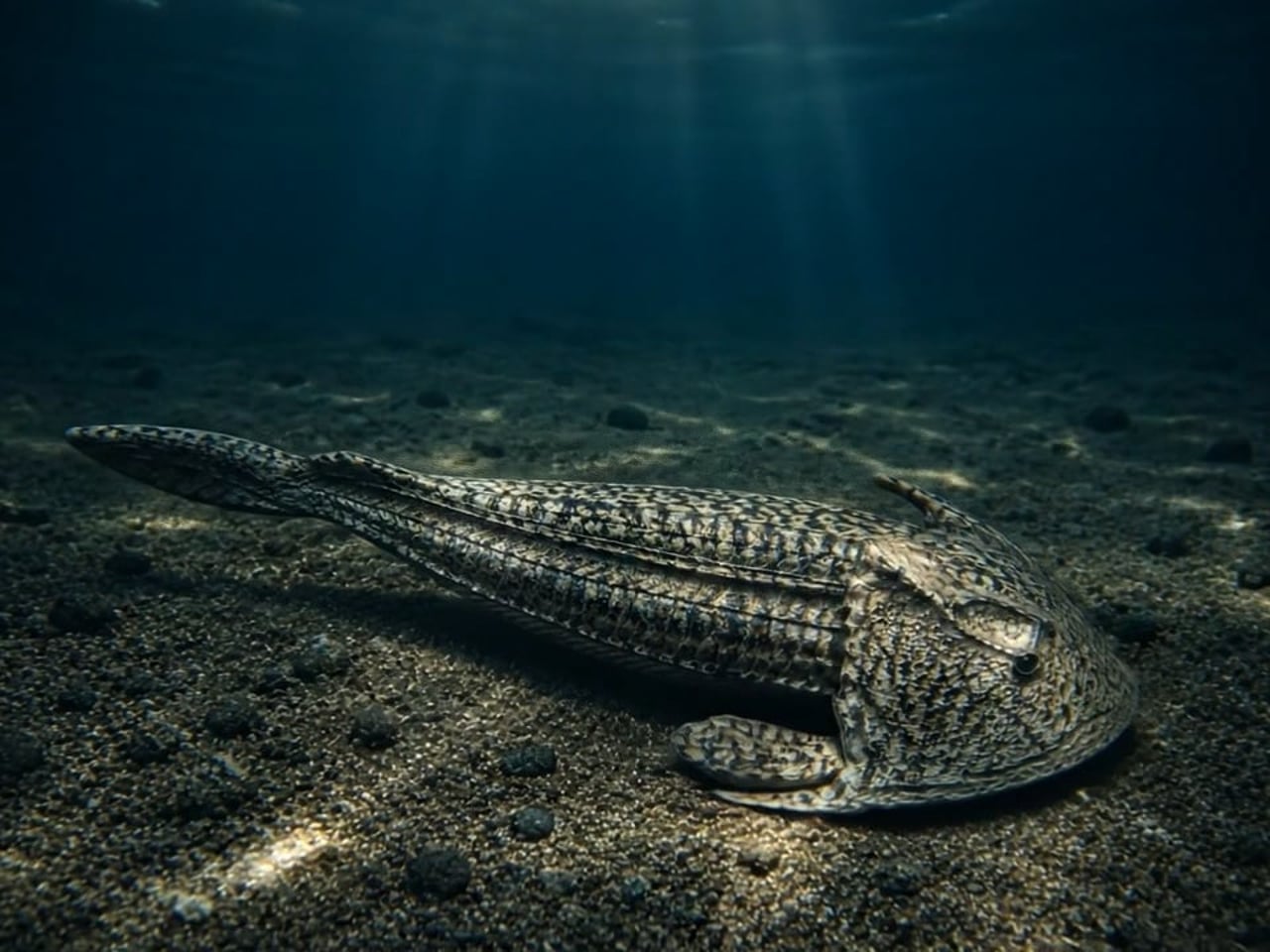
Cephalaspis – Prehistoric 3D Animation Showcase
This 3D animation brings the prehistoric jawless fish Cephalaspis into motion. The reconstruction relies entirely on detailed scientific design concepts, biomechanical models, and fossil data. About the Creature Classification: A genus of extinct, heavily armored jawless fish belonging to the class Osteostraci.
Size: Small to medium-sized, typically reaching lengths between 20 and 30 centimeters—roughly the size of a modern trout.
Era: Lived approximately 421 to 387 million years ago, spanning from the Late Silurian to the Early Devonian period.
Anatomy: Feature a prominent, horseshoe-shaped bony head shield that protected the vital organs and acted as a hydrofoil to generate lift while swimming. Habitat and Range Environments: Inhabited freshwater streams, rivers, deltas, and brackish estuaries rather than open marine oceans.
Geography: Fossilized remains have been heavily documented across Western Europe, the United Kingdom, and parts of North America.
Lifestyle: Strictly bottom-dwelling vertebrates that spent their lives skimming along the muddy substrates of prehistoric riverbeds. Diet and Feeding Behavior Primary Diet: Detritivorous and carnivorous, feeding on microscopic organisms, organic debris, and small substrate-dwelling invertebrates.
Food Sources: Sucked up soft-bodied worms, algae, and tiny crustaceans directly from the sediment.
Mechanics: Lacked biting jaws. Used a downward-facing, vacuum-like mouth to scoop and filter nutrient-rich mud using water pressure.
Sensory Hunting: Utilized specialized sensory patches on the margins and center of its heavy head shield to detect electrical fields or pressure changes from hidden prey. Animation and Modeling Details
This project focuses on exact anatomical accuracy and realistic underwater fluid dynamics. Texturing: Dull, mottled lake-bed tones combined with slightly iridescent or calcified textures on the armored head shield.
Anatomy: Accurate recreation of the lateral line sensory pockets, continuous caudal fin, and the distinct heavy cephalic armor.
Locomotion: Speculative swimming mechanics balancing the heavy anterior armor with undulating movements of the flexible, muscular tail.